
Northern Giant Hornet Central
December 2022 Update: The Entomological Society of America has designated a common name for the species, Vespa mandarinia, formerly known as the Asian giant hornet. It is now called the northern giant hornet.
Breaking News!
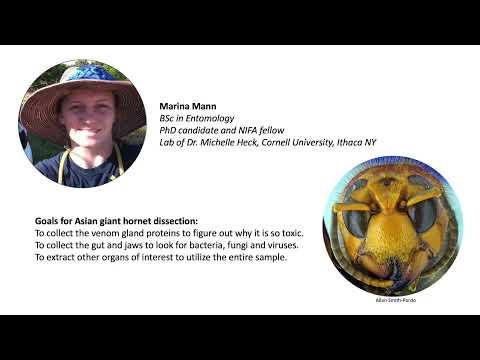
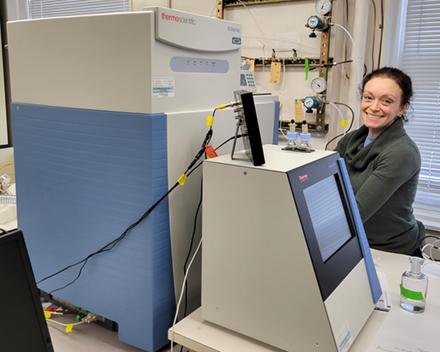
December 2022 - ARS Scientists are using state-of-the-art technology to dive deeper into the biology of Vespa mandarina, previously known as the Asian giant hornet and now renamed the northern giant hornet. Scientists are using mass spectrometry-based proteomics to characterize the venom glands of the northern giant hornet. By analyzing the proteins in the venom, scientists can better understand the hornet's biology and behavior and develop more effective strategies to protect people, honeybees, and agricultural crops from their aggressive attacks.
Photo: ARS Research Molecular Biologist Michelle Heck uses a mass spectrometer to conduct venom proteome analysis of the northern giant hornet.
Get Involved and Stay Connected
- CHECK OUT WSDA's cool Story Map on the northern giant hornet.
- If you spot a northern giant hornet, REPORT it to WSDA.
- LEARN MORE about the northern giant hornet on the APHIS website here.
- FOLLOW USDA ARS to get the latest updates on our NGH research and findings
![]() |
![]() |
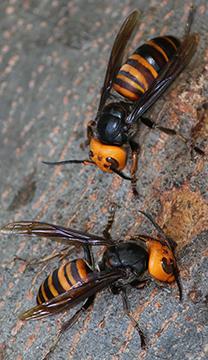
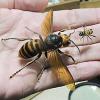
[Photo: "Vespa mandarinia (Asian giant hornet) in Japan" by Alpsdake is licensed under CC BY-SA 3.0]
Research on the Asian Giant Hornet
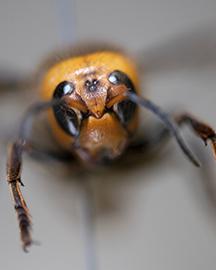
ARS Takes On the Asian Giant Hornet
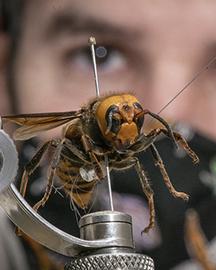
Asian Giant Hornet Complete Genome Released by the Agricultural Research Service
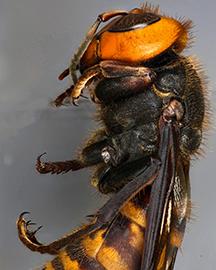
USDA Lure Attracts Live Asian Giant Hornets, Helps Lead to Nest Discovery
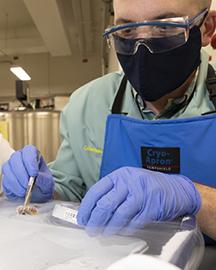
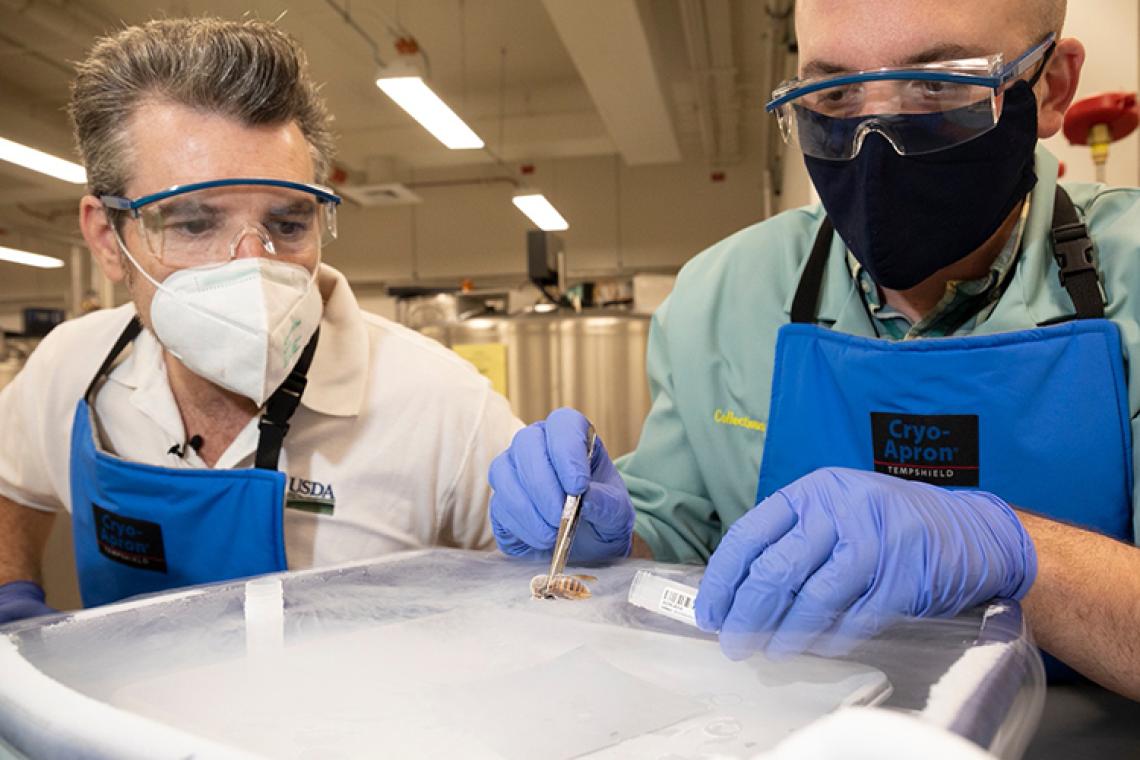
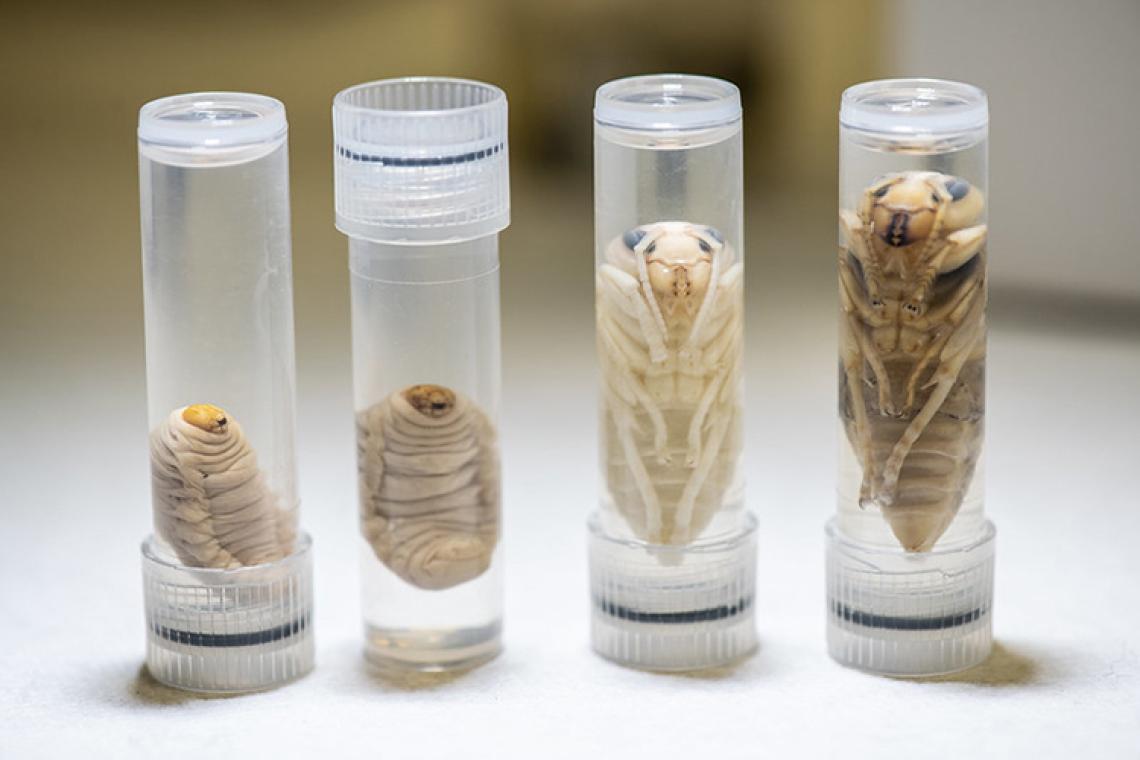
Asian Giant Hornets Arrive for Study and Preservation at the Smithsonian Biorepository
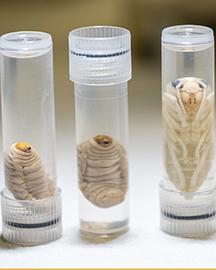
Mapping The Asian Giant Hornet's Genome
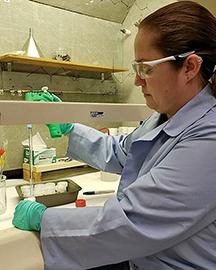
Asian Giant Hornet Research from Coast to Coast
Image Gallery
Topic
CropsArticles similar to this
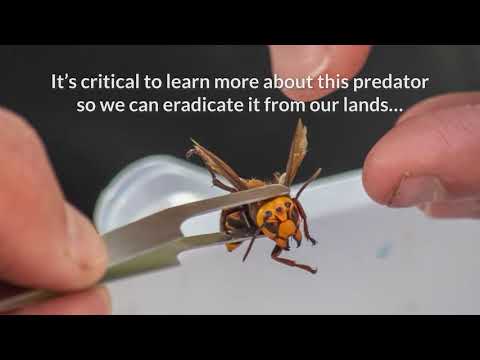
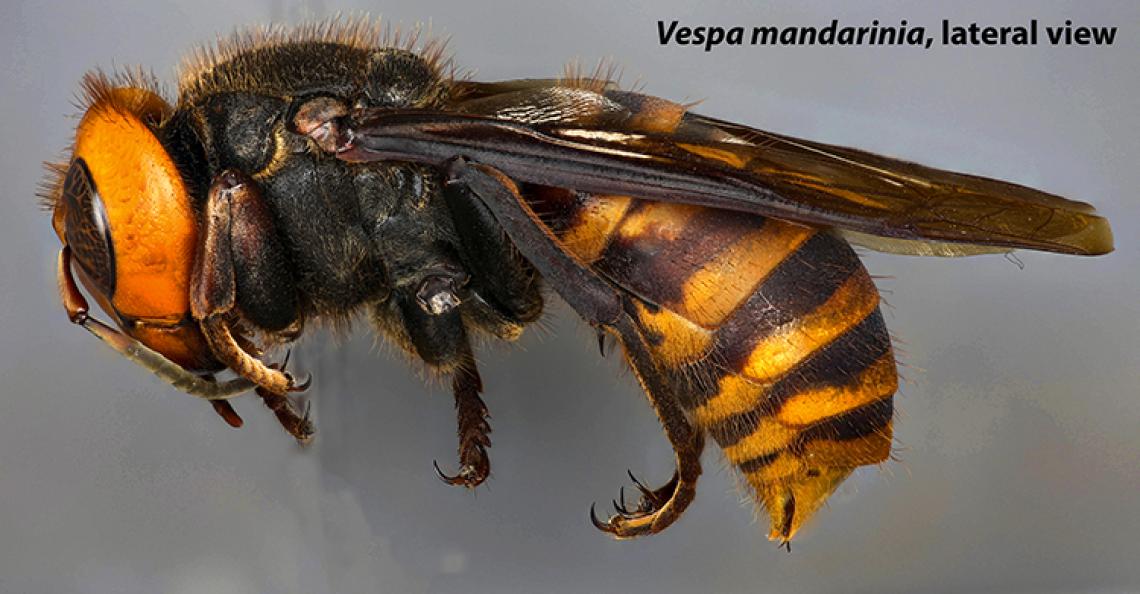
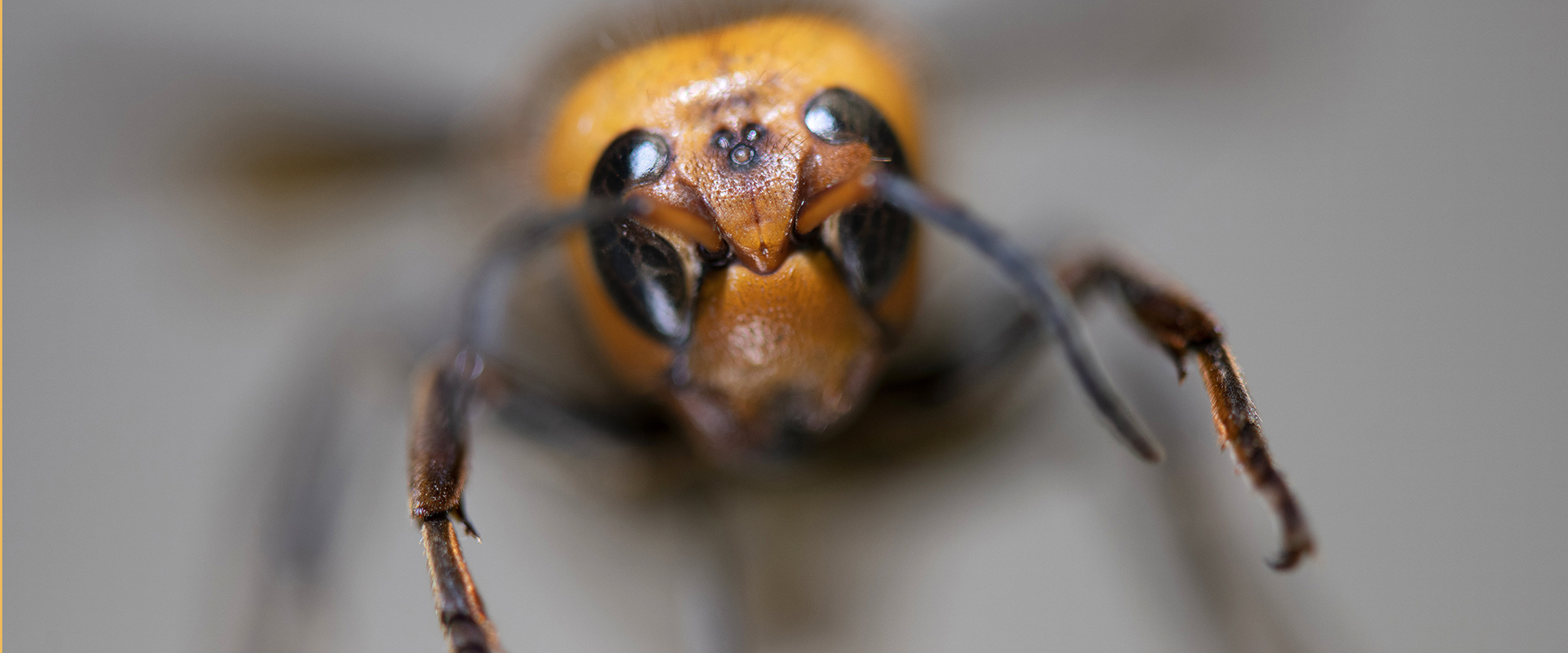
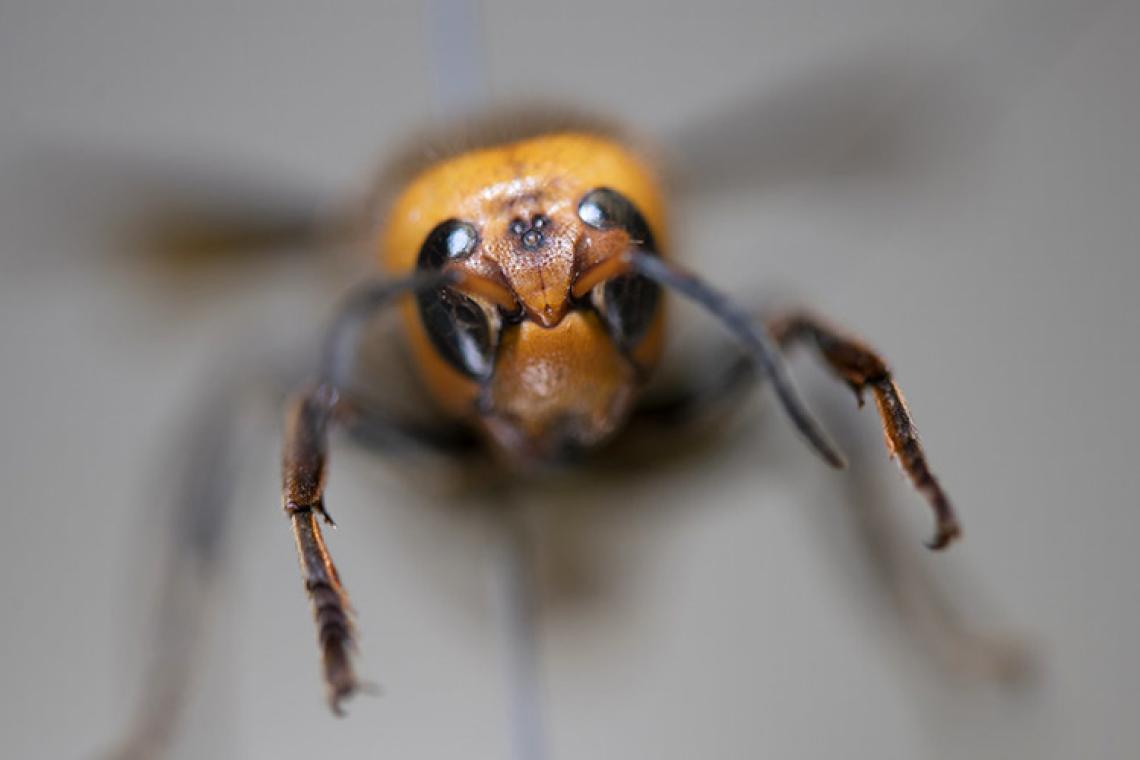
Close-up photo of Asian giant hornet, Vespa mandarinia. (Photo used with permission by Washington State Department of Agriculture, D4346-1)
An Agricultural Research Service (ARS) scientist in the Pacific Northwest has joined the hunt for the infamous Asian giant hornet (AGH) — a threat to honey bees in its native territory that could also endanger honey bees in the United States if it becomes established here. AGH is also a health concern for people with bee or wasp allergies.
Jacqueline Serrano, an insect chemical ecologist with ARS’s Temperate Tree Fruit and Vegetable Research Unit in Wapato, WA, is investigating the AGH, dubbed the “Murder Hornet.” A few AGH specimens were discovered last year in Washington State and Vancouver Island, British Columbia. Despite its ominous nickname, AGH is more dangerous to insects than anything else.
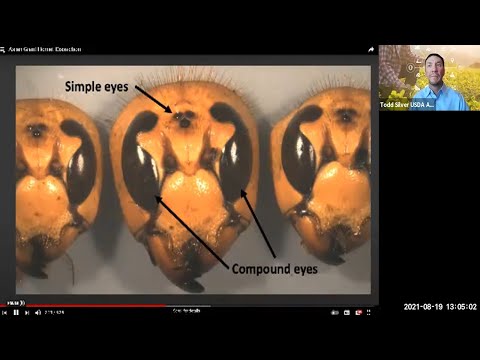
At roughly 2 inches in length, this invasive species from Southeast Asia is the world’s largest hornet. It has distinctive markings: a large orange or yellow head and black-and-orange stripes across its body. While the hornet’s sting delivers a potent venom that can cause severe reactions—and in some cases, death—in some people who are allergic to bee stings, attacks against humans are rare. AGH earned its bad reputation from the way it hunts down honey bees and other insects, primarily during the late summer months when it seeks protein to feed its young.
In Blaine, Washington, WSDA entomologist Chris Looney hangs Asian giant hornet traps with lures developed with ARS scientists. (Photo used with permission by Washington State Department of Agriculture, D4348-1)
In the Pacific Northwest, honey bees play a significant role in the production of many fruit crops including apples, berries, pears, and cherries. “If AGH were to become established in Washington State, it could pose a serious threat to the beekeeping industry,” Serrano said. “AGH could subsequently impact the state’s billion-dollar agriculture industry.”
AGH sightings in the United States have been limited to two verified reports near Blaine, WA, in December 2019, and a single AGH specimen found and verified in May 2020 near Custer, WA.
Serrano moved to Wapato after working with the late ARS entomologist Peter Landolt, a world leader in chemical ecology research. She is carrying on Landolt’s work of developing traps used in Japan on a species like AGH by leading efforts to develop attractants for use as bait in AGH traps in Washington.
ARS postdoctoral research associate Jacqueline Serrano makes lures that contain known wasp and hornet attractants for use in Asian giant hornet traps in Washington State. (Rebecca Schmidt-Jeffris, D4347-1)
“There are many different aspects of AGH chemical ecology, including feeding attractants and pheromones, that can be used to develop attractive lures,” she said.
Should Serrano’s traps collect more specimens, ARS scientists will use those specimens to conduct genomic sequencing as part of the ARS Ag100Pest initiative. This initiative focuses on deciphering the genomes of 100 insect species that are most destructive to crops and livestock and are projected to have serious bioeconomic impacts to agriculture and the environment.
According to Kevin Hackett, ARS national program leader for crop production and protection, assembling the genome could help scientists fight the hornet in many ways. “It would help us find pheromones to better attract the hornet and also help us look for targets within the genome that we could attack with RNA to ‘turn off’ genes.” RNA, ribonucleic acid, carries instructions from DNA to control the synthesis of proteins.
ARS is working in concert with the Washington State Departments of Health and Agriculture, as well as USDA’s Animal and Plant Health Inspection Service, which is leading the Department’s efforts to ensure that AGH does not become established in the United States. – by Scott Elliott, ARS Office of Communications.
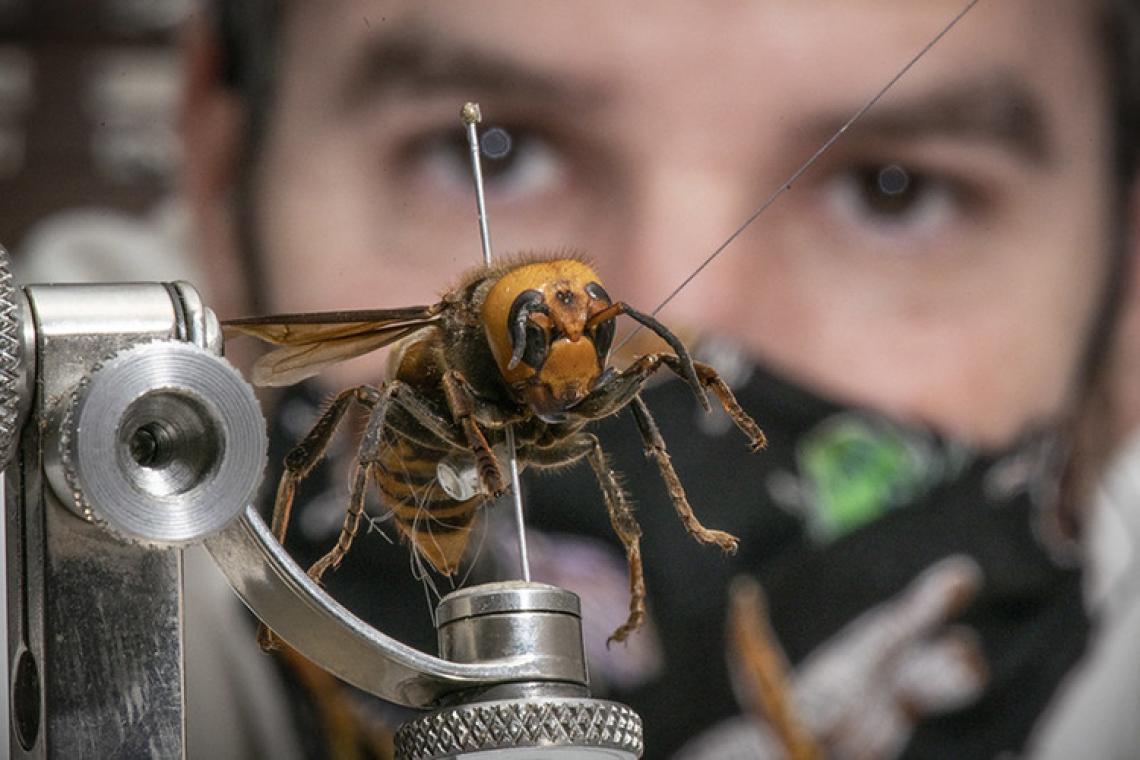
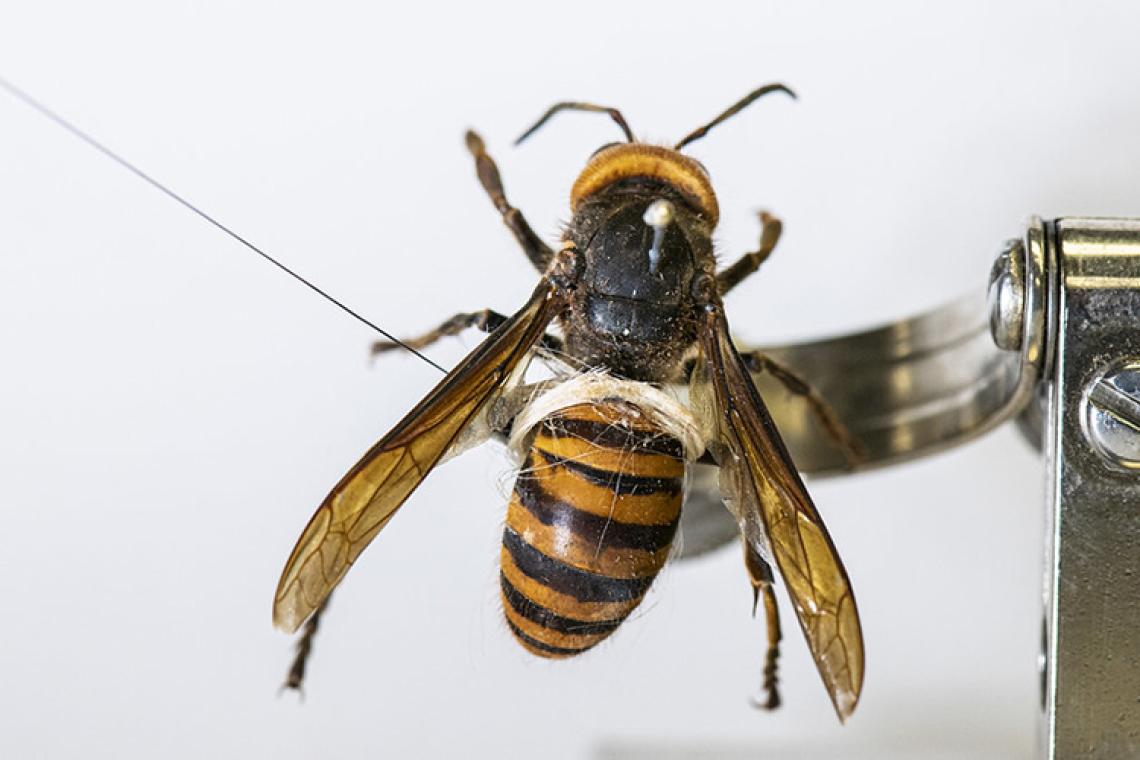
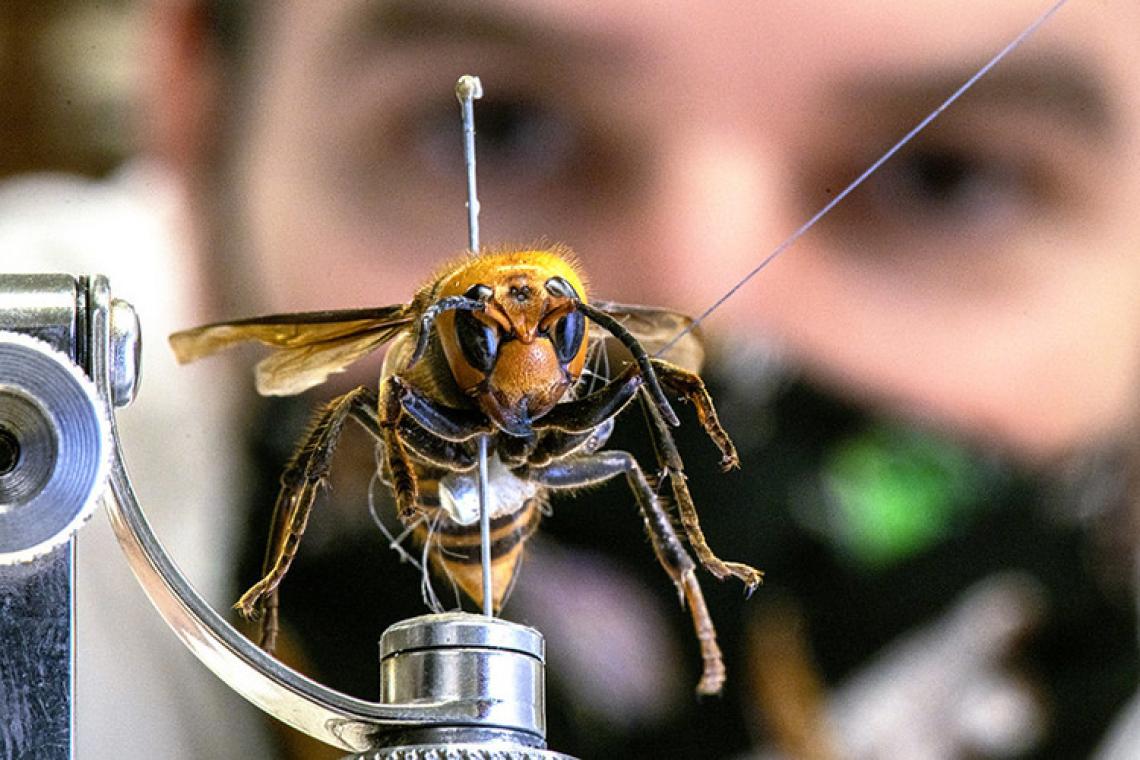
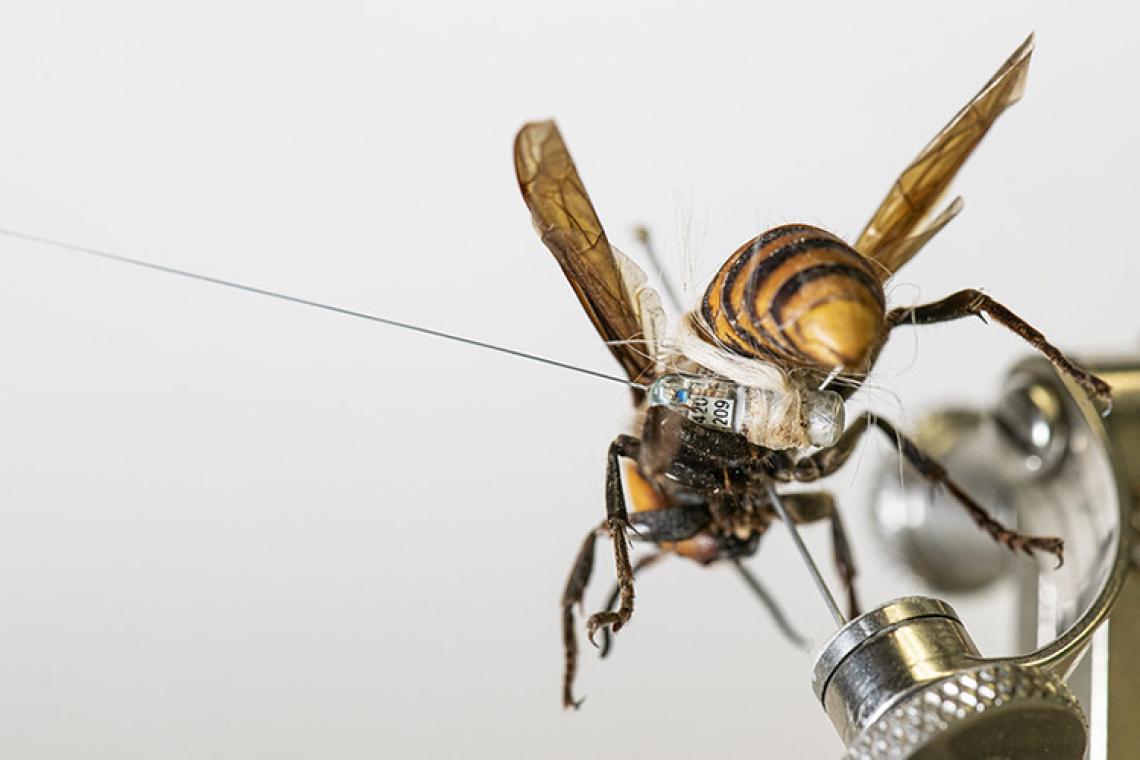
An ARS scientist inspects a specimen of the Vespa mandarinia, the infamous Asian giant hornet (AGH). The AGH is one of the species being sequenced as part of the Ag100Pest initiative. (Photo by Lance Cheung, USDA)
What would you do if you held the skeleton key to life itself? Would you use your knowledge to combat the climate crisis? Develop life-saving medicines? Secure our food supply?
For ARS scientists, the answer may be all of the above, and more. In one of science’s most ground-breaking projects, researchers are building a “new foundation for biology,” by sequencing, cataloging, and characterizing the genomes of all of Earth’s living organisms.
The project, dubbed the Earth BioGenome Project (EBP), brings ARS researchers together with scientists from around the world to produce an open, public database of over 1.5 million species’ genomes. Originally launched in 2018, the EBP began with coordination and specimen collection, but has now entered a “production stage,” as teams begin to record genome sequences at a meaningful scale. The ARS component of the initiative is focused on the Ag100Pest Initiative, a program that is producing genome assemblies for over 170 arthropod pests of greatest agricultural concern in the United States.
Genomic sequencing is not a new technology; ARS and other scientists have been sequencing plants and animals for decades. What is new, though, is the level of international coordination, and the number of species involved.
The genomes are also high-quality, with the expectation that they will be at the reference level – a measure, according to Anna Childers, a project co-lead, of “the level of completeness, and how contiguous the pieces are.”
“When you’re trying to do certain analyses,” explains project co-lead Brian Scheffler, a computational molecular biologist with ARS’s Genomics and Bioinformatics Research Unit in Stoneville, MS, “having that high-quality genome makes all the difference in the world.” Rather than creating lower-quality genome sequences, and then having to repeat the process when higher-quality sequences are required for other research questions, the EBP scientists plan to perform the process once, and get it right, acquiring a complete picture of any given genome sufficient for future research.
ARS research leader Lanie Bilodeau uses a pipet to as part of an effort to examine a region in a gentle Africanized honey bee genome that contributes to reduced colony defensive behavior. (Photo by Lance Cheung, USDA)
Part of the reason that level of quality is now possible is that technological advances have made genome sequencing faster and more efficient. “Before, to get enough DNA, you were often pooling numerous individuals in order to generate a good sequence, which negatively impacted the final assembly,” says Childers, who is an ARS computational biologist in Beltsville, MD. “Now we can take one tiny flour beetle, grind it up, and create a genome assembly from that.”
The research is already showing results: Childers’ group was the first to sequence the genome of the Asian Giant Hornet (popularly known as the “Murder Hornet”), an invasive insect that attacks pollinators like bees, at times killing tens of thousands in a matter of hours. Having the hornet’s genome can help researchers understand and manage the threat it poses. These results, though, are just the beginning.
As project co-lead and ARS National Program Leader Kevin Hackett explains, “The original inventors of things like the internet never fully anticipated how their inventions would evolve and what would be built upon them in the future.
“We can see how genome sequencing has already started affecting how we do biology, how we tackle medical challenges, how we invent new processes,” Childers adds. “But we really won’t fully appreciate what we’re going to be able to do until we have the genomes of everything.”
“The reality is nothing can get done without the basic genomic information,” said Hackett. “We’re providing that basic infrastructure and developing the roadmap of all the genomic information for life.” – by Kathryn Markham, ARS Office of Communications.
You May Also Like
The 15-story National Agricultural Library sits in the heart of the Agricultural Research Service's 6,600 acres of property in Prince Georges County, Maryland.
The National Agricultural Library (NAL) celebrated 50 years in Beltsville, MD, in November 2019.
The 15-story building—the tallest in the area—is highly recognizable in the landscape, and can be seen from the Baltimore-Washington Parkway and the Washington Beltway. It sits on Route 1, at the heart of the Beltsville Agricultural Research Center (BARC), which occupies 6,600 acres in Maryland’s Prince Georges County. Both NAL and BARC are part of the Agricultural Research Service, USDA’s in-house research agency.
Groundbreaking took place early in 1967, and the cornerstone was laid by Agriculture Secretary Orville Freeman on September 21. Construction took more than 2 years.
Though the building was not finished, librarians moved in in May 1969. They answered patron questions and filled research requests while construction workers kicked up dust around them. Doors opened to the public on August 1. The building was officially complete in November 1969.
The National Agricultural Library—and the Department of Agriculture—were established by President Abraham Lincoln on May 15, 1862. His signature on the Organic Act established the library’s basic mission: that the commissioner of Agriculture “acquire and preserve in his Department, all information concerning agriculture which he can obtain by means of books and correspondence ….”
Architectural drawing of the National Agricultural Library.
The library, which collects USDA documents, scientific papers, maps, and other agriculture-related books and pamphlets, was originally housed in the Department of Agriculture offices in Washington, DC, with a few outlying “branches,” such as the Agricultural Division of the Patent Office. Branch collections were eventually gathered into the main library.
As the amount of materials grew, the library was moved from location to location, ending up by 1892 “in a large high-ceilinged room with galleries in the central portion of the second floor of the main Department Building,” according to Alan E. Fusoni, historian and former head of NAL’s Special Collections Unit. Even then, the space was not large enough for its collections. In 1908, the library was moved to the basement of the East Wing of the Department building. Space continued to be a problem.
In March 1915, it was moved to the new Bieber Office Building on B St., SW, in Washington, and in the summer of 1932, the library moved again to the main USDA building on Independence Ave. Even though it occupied the first floor of two wings, storage remained an issue.
In 1940, a subcommittee was formed from the Agriculture Committee to look into the space issues. Nothing came of it. By 1959, the problem could no longer be ignored. However, instead of focusing on land acquisition or moving the library to a new building, the committee suggested weeding the inventory and binding materials—which would provide better access and help with preservation.
Around 1962, NAL director Foster Mohrhardt asked the subcommittee to appropriate funds for a study to determine what could be done to preserve the collection and to increase space, either through expansion or a new building. After visiting the library, a subcommittee member is quoted as saying that it lacked proper lighting and ventilation and “wasn’t fit to store corn.” Periodicals were stacked on the floor due to lack of shelf space, and rare books stored in another building were deteriorating quickly due to a lack of climate control and leaky pipes.
Funds were finally appropriated in 1963 to hire an architect.
A 1963 Senate report states, “Consider the National Agricultural Library’s condition. It outgrew its present, antiquated quarters 20 years ago. Building plans were considered as far back as 1940. Yet, it remains seriously deficient in space and equipment.”
Due to costs, USDA had to look outside of Washington to build. The Department had purchased a large amount of land from the University of Maryland in 1938. The acreage was about 15 miles outside of Washington and not subject to the same property rates. Since USDA already owned it, the property was essentially free to use, and so it was chosen for construction.
The new building designs included plans for 20 years of expansion, with shelving space necessary to hold up to 2 million books and periodicals. Director Mohrhardt hoped the building would last beyond 20 years because he knew of the technological advances being made; the library was already a pioneer in the use of microfilm and microfiche.
Currently, the library’s holdings include over 16 million volumes.—By Kelly A. Harmon, National Agricultural Library.
Facts about the National Agricultural Library building:
-
The contract to build was awarded in November 10, 1966. Completion was estimated for October 1968.
-
Cost: $7,450,000
-
The 15-story tower is made of precast concrete and rock-faced brick.
-
Including the wings, the building provides 275,000 square feet of space.
-
Space on the 4th through 13th floors was intended to hold 2 million books; the library currently houses over 16 million books.
Read more in Facts About the Building, prepared November 1967.
You May Also Like
Hard to believe 2020 has come and gone. The year certainly brought many unique challenges and difficulties for all of us. Virtual meetings, remote schooling, teleworking, and virtual conferences all became the "new normal" for many people, including us at the Agricultural Research Service (ARS).
As we usher in a promising new year, now is an opportune time to reflect on what we at ARS accomplished during 2020. Our scientists and researchers conducted important research on subjects ranging from the Asian giant hornet to zinc deficiency, and we made great strides in solving urgent problems affecting agriculture at home and abroad.
During the past 12 months, we shared stories of our research on a variety of topics, including a lure designed by ARS scientists that played a key role in the discovery of a nest of Asian giant hornets in Washington State, dogs specially trained by ARS scientists to sniff out citrus greening in orchards, research into which type of milkweed female monarchs prefer for laying their eggs, a four-part series highlighting our scientists’ efforts to help reduce food loss and waste and, with renewed public interest in Victory Gardens, a look at a fascinating online exhibit at the National Agricultural Library.
While all this cutting-edge research was going on, we also launched a new series called, "ARS@Work" which showcases the important work of ARS scientists, researchers, and support staff across the country that continued during the challenging 2020.
In case you missed it, as we begin a new year, we'd like to share some top ARS highlights from 2020:
ARS News Service
USDA-ARS Researchers Introduce Treatment to Prevent Parasites in Sheep
ARS announced a groundbreaking treatment that prevents anemia, weight loss, poor wool and meat production, and even death in sheep.
Tellus
Which Milkweeds Do Monarch Butterflies Prefer?
Female monarch butterflies prefer some milkweed species over others for egg-laying.
Down on the Farm
How D'Ya Like Them Apples?
An ARS research team held a successful field test and demonstration of their new and improved apple-harvest and in-field-sorting machine at a commercial orchard.
Under the Microscope
Benefits and Evolution of Precision Agriculture
Two ARS researchers are focusing their precision agriculture work on developing tractor guidance systems for better resource management on farms.
Science in Your Shopping Cart Podcast
ARS’s story-telling podcast takes you inside our labs and fields to discover some cool innovations and research that ensure those apples in your shopping cart are fresh, tasty, cost-friendly, and high quality.
While taking time to reflect on the past year, we're also gearing up for 2021, with exciting stories on these topics:
-
The superpowers of clover
-
Software for teasing out food compounds and their benefits
-
Converting stale bread into vitamin C
-
Better water management in wine country
And while you're at it, keep an eye out for an eye out for AgLab, our exciting new website, launching in March, which is dedicated to helping students learn about science and agriculture.
We here at ARS hope you have a happy and productive New Year! - By Nancy Vanatta, ARS Office of Communications.