





The USDA-ARS Sugarcane Field Station, in Canal Point, FL, celebrates its 100th anniversary this year.
Tellus Articles

plants
ARS scientists are looking for ways to keep strawberries mold free without fungicides.
Mar 30, 2020

plants
Plum pox virus—a serious disease capable of devastating stone fruits—has been eliminated in the U.S.
Mar 23, 2020

insects
Female monarchs prefer some milkweed species over others.
Mar 16, 2020

plants
Increasing the proportion of bran to grain may enhance whole grain rice's overall nutritional value.
Mar 09, 2020

human nutrition
Overnutrition during infancy could lead to future health problems, including type 2 diabetes.
Mar 02, 2020

insects
ARS Electron and Confocal Microscopy Unit helped identify mites found in the highlands of Peru.
Feb 24, 2020

plants
USDA Red, the world's first true red spinach variety has been released by ARS.
Feb 18, 2020

insects
ARS entomologist is developing microbial pesticides for the effective control of mosquitoes.
Feb 11, 2020

general
An ARS study provides some insight into how gut microbes interact in ways that can either help or harm us.
Feb 10, 2020

plants
A chance discovery has turned into effort to understand a scourge that is killing trees by the thousands.
Feb 03, 2020

product innovation and quality
ARS team are experts at solving food-manufacturing problems by using cutting-edge processing technologies.
Jan 27, 2020

plants
The main ingredient in a new breakfast cereal is new soft white spring wheat developed by ARS.
Jan 21, 2020

animals
ARS studied goats with a version of the prion gene that has conferred increased resistance to scrapie.
Jan 13, 2020

human nutrition
ARS physiologist Elad Tako recently presented "Improving Food Security with Iron-Enriched Cereal Crops."
Jan 07, 2020

plants
Minnie Finger Lime, bred to grow well in Florida, is the perfect name for a new citrus cultivar.
Jan 06, 2020

product innovation and quality
ARS is one of the most successful federal agencies in bringing consumers the results of research.
Dec 30, 2019

general
The Library—and the Department of Agriculture—were established by President Abraham Lincoln on May 15, 1862
Dec 23, 2019

plants
ARS has developed a series of four ornamental pepper cultivars named Christmas Lights.
Dec 16, 2019
plants
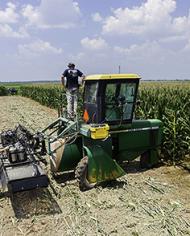
A sprayable bioplastic helps deliver beneficial microbes to fight aflatoxins and other pathogens and pests.
Dec 09, 2019

plants
ARS scientists are trying to ensure a sustainable future for cranberries.
Dec 02, 2019

plants
Learn more about molecular biologist Lisa Ainsworth's work on crop responses to global atmospheric change.
Nov 26, 2019

animals
ARS scientists in Beltsville, Maryland are working to improve turkey production.
Nov 25, 2019

plants
The ARS National Peanut Research Laboratory celebrates 50 years of research on the popular legume.
Nov 18, 2019

general
ARS is part of a program to help military veterans explore careers in agriculture.
Nov 12, 2019
insects
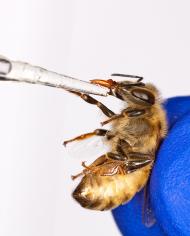
Cute as Can Bee! Learn more ARS honey bee research.
Nov 05, 2019

plants
The Agricultural Research Services strikes gold with a new potato variety.
Nov 04, 2019

product innovation and quality
An ARS scientist developed monoclonal antibodies that screen for botulinum toxin.
Oct 28, 2019

plants
A mobile system removes phosphorus from manure offering flexibility in using nutrient to fertilize crops.
Oct 21, 2019
plantsinsects
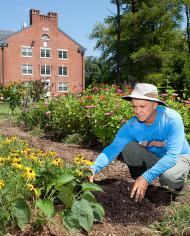
The ARS Bee Research Lab maintains a Pollinator Garden as an educational tool.
Oct 15, 2019

insects
ARS research finds cedarwood oil has potential as a natural pest-control agent and wood treatment.
Oct 10, 2019

natural resources
Controlling cheatgrass to restore rangelands, reduce wildfires and increase sustainable grazing resources.
Oct 07, 2019

natural resources
ARS researchers studied bacterial levels in the waters collected by the Upper Oconee Watershed Network.
Sep 30, 2019

human nutrition
Farmers markets are an important link between local farms and communities.
Sep 24, 2019

general
The Library will host a public edit-a-thon on September 20 in Beltsville, MD
Sep 16, 2019

insects
Hunting for natural enemies of the red imported fire ant is paying off.
Sep 09, 2019

natural resources
How a robot may show us why soils are disappearing.
Sep 03, 2019

plants
A newly developed rotating cross-arm trellis and cane-training system helps blackberry growers.
Aug 26, 2019

insectsplants
By tapping into the vibrational signals they use as mating calls.
Aug 19, 2019

natural resources
Giant salivnia damages aquatic ecosystems by outgrowing and replacing native plants.
Aug 12, 2019

general
Smokey Bear celebrates his 75th birthday this week. Learn more.
Aug 05, 2019
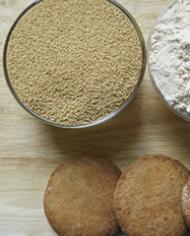
A USDA lab is using ancient grains to create foods with added health benefits.
Jul 29, 2019

natural resources
LTAR research provides a greater understanding of the complexity of agroecosystem landscapes.
Jul 25, 2019
plants
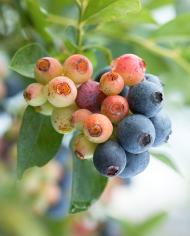
ARS scientists are on the forefront of research to provide growers and consumers with the very best berries.
Jul 22, 2019

human nutrition
Scientists have identified in fermented cucumbers, peptides known to have anti-hypertensive properties.
Jul 16, 2019

general
Scientists win highest honor given to outstanding early-career scientists and engineers.
Jul 10, 2019

animals
USDA's National Animal Germplasm Collection researches a major milestone.
Jul 09, 2019

product innovation and quality
ARS researchers are exploring ways to make battered catfish that’s tasty, crispy, and more appealing.
Jul 08, 2019

insectsplantsproduct innovation and quality
ARS scientists play an essential role in bringing products to your grocery store shelves.
Jul 01, 2019

human nutrition
ARS study reveals vitamin E can be successfully added to frying oil and fried foods, like tortilla chips.
Jun 24, 2019